To provide you with the best experience, cookies are used on this site. Learn more

To provide you with the best experience, cookies are used on this site. Learn more

You are here: Home > Planning Your Trip > Frequently Asked Questions
Got questions? We have answers! We want your experience with us to be as smooth and seamless as possible, so we have gathered our most frequently asked questions all in one convenient place.
We are both! "Outer Hebrides" and "Western Isles" are two different names used to describe the exact same chain of islands. You will also see our local Gaelic names used, including Innse Gall (meaning "Islands of the Strangers"), Na h-Eileanan an Iar or Eilean Siar ("The Western Isles"), Historically, the archipelago was also affectionately known as the Long Island, or An t-Eilean Fada.
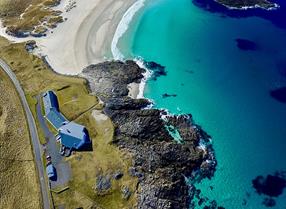
Yes, the Outer Hebrides are absolutely worth visiting if you want to experience world-class white sand beaches, dramatic Atlantic landscapes, rich Gaelic culture, incredible wildlife and superb food and drink. The archipelago offers a peaceful, uncrowded alternative to the busier Scottish Highlands.
The best time to visit depends on what you're looking for. April to June often offers the best weather, with May and June typically enjoying the highest sunshine hours and lowest rainfall. July and August bring warmer temperatures, colourful machair in full bloom, and a lively programme of festivals and events, but they are also the busiest months. September and October are ideal for quieter walks and stunning autumn scenery. For a peaceful escape, November to March offers dramatic landscapes, exceptional dark skies for stargazing, and the chance to see the Northern Lights, although some places operate reduced opening hours or close over winter.
You need between 5 and 7 days to see the main highlights of the Outer Hebrides, though 10 to 14 days is ideal to explore the full 170-mile island chain from Vatersay to Lewis. If you only have 3 to 4 days, it is best to focus your trip in either Uist and Barra or in Lewis and Harris.
The Outer Hebrides are rarely freezing but experience cool, fast-changing weather, with average summer temperatures reaching 14°C to 16°C and winter averages hovering around 4°C to 7°. Thanks to the warming effects of the Gulf Stream, the islands experience mild winters and largely avoid sub-zero cold.
Yes, you can drive directly from Harris to Lewis because they are not separate islands, but rather two parts of the same landmass connected by road.
No, the causeways in the Outer Hebrides are not tidal and remain open year-round, though they may close temporarily during severe Atlantic gales. A network of six permanent causeways links the southern islands together. Five of these causeways connect Eriskay, South Uist, Benbecula, Grimsay, North Uist, and Berneray and the sixth connects Vatersay and Barra.
No, midges are rarely a major issue in the Outer Hebrides due to constant coastal breezes that they dislike. Only on rare, still summer days and calm evenings do you encounter them. Midge repellents and head nets, are widely available local shops.
No, you do not explicitly need a car to explore the Outer Hebrides, but using your own vehicle offers significantly more travel flexibility. Buses connect major villages, ferry terminals and airports. However, timetables are limited and there is no Sunday service, so you need to plan your journey in advance. Car hire firms operate at airports and ferry terminals, and vehicles should be reserved well in advance.
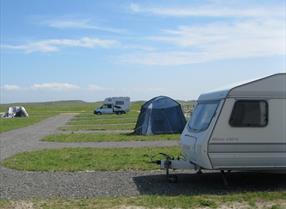
Yes, wild camping is legal in the Outer Hebrides under the Scottish Outdoor Access Code, provided you pitch lightweight tents responsibly and leave no trace. You must camp away from residential buildings, crofts, and historic structures. Motorhomes, campervans and vehicles with tent boxes are not considered wild campers and must use designated overnight parking spaces or official campsites. More here.
Ticks can be prevalent in the Outer Hebrides. To prevent tick, dress appropriately when outdoors in areas with heather or long grass. Cover your arms with long sleeves, wear long trousers, and tuck your trousers into your socks to block entry points. Check no ticks have hitched a lift.
Choose your travel dates and decide whether you will focus on the southern isles (Uist and Barra), the north (Lewis and Harris), or a full island-hopping journey. Demand in the summer months is high, and we advise book accommodation early - direct booking offers the best prices, and you can browse our verified listings using our Visit Outer Hebrides Accommodation Finder. Next, secure your CalMac ferry or Loganair flight tickets well in advance. If you are travelling as a foot passenger on the ferry, you can typically buy your tickets closer to departure. Check the ferry status before travelling.
You can travel to the Outer Hebrides by taking a Loganair flight or booking a CalMac ferry from the Scottish mainland. Loganair operates year-round flights to Stornoway, Benbecula, and Barra airports from Glasgow, Edinburgh, and Inverness. Alternatively, CalMac runs car and passenger ferries across five main routes: Oban to Castlebay, Mallaig to Lochboisdale, Uig (Skye) to Lochmaddy or Tarbert (Harris), and Ullapool to Stornoway. Check out our comprehensive Getting Here guide.
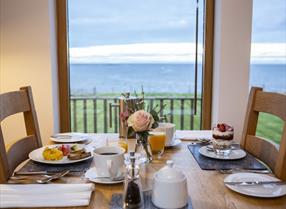
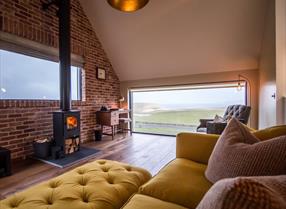
Stay in a hotel, B&B, hostel, campsite or rent a traditional self-catering cottage or glamping pod in Lewis, Harris, Uist, or Barra. You should book your accommodation well in advance to secure availability.
Yes, you can travel by motorhome or campervan, but certain restrictions apply to ensure safety and protect the local environment. While our scenic coastal roads are excellent for touring, some roads are narrow with sharp bends that are unsuitable for large vehicles. Camping out with designated areas is prohibited. Please read through our Motorhome and Campervan Guide here before travelling.
Visiting our islands is a truly unique experience, but the remote setting means you should plan ahead for limited infrastructure and changeable weather.
Our 12 main inhabited islands are split into three groups, which you can easily navigate.
Our islands offer a perfect mix of adventure, relaxation, rich history, and vibrant Gaelic culture. You can explore epic landscapes, spot unique local wildlife, and discover our ancient historical sites. For itineraries and travel inspiration, please check out our blogs, visit the See and Do section and follow us @visitouterhebrides on Facebook and Instagram.
You can easily discover our incredible local flavours by following the Eat Drink Hebrides food and drink trail. You can download the official guide or browse the featured stops directly in the food and drink section of our website.
Yes, you will find a selection of supermarkets, but mostly our shops are independent retailers and community shops. The Co-op is our most widespread grocery chain, while Stornoway also features a Tesco supermarket. Our community-run shops are excellent stops for stocking up.
You can easily find all public toilets, alongside a comprehensive directory of essential island facilities here. You will listings for chemical toilet disposal points, public showers, petrol stations, medical services, and local garages
Sunday is traditionally a quiet day across the Outer Hebrides, with opening hours varying significantly between the northern and southern islands.
You can easily promote your business to our visitors by joining via our industry portal here.
For all press and media enquiries, please contact our CEO directly here.



© Outer Hebrides Tourism (Trading) 2026. Registered in Scotland SC501113. All Rights Reserved
Ratings Powered By